


Design Fails : Door Olympics

After some big changes and many a new start, I am back with a rant! This one I think many will agree with because it is one of those everyday life things that we simply don't realize is actually a nuisance. We have subconsciously as human beings accepted poor designs as a reality, a lot of these decisions if given a little more thought can be so human centric and true to form and function.
We're talking DOORS! Doors are the eyes of the city. It gives perception, access and direction to everything and it is vital to any development. I have a hot take on a few doors that I have come to dislike and still don't know why we as a species continue to use them. I might not be a door expert but I sure as hell can say these create some uncomfortable situations.
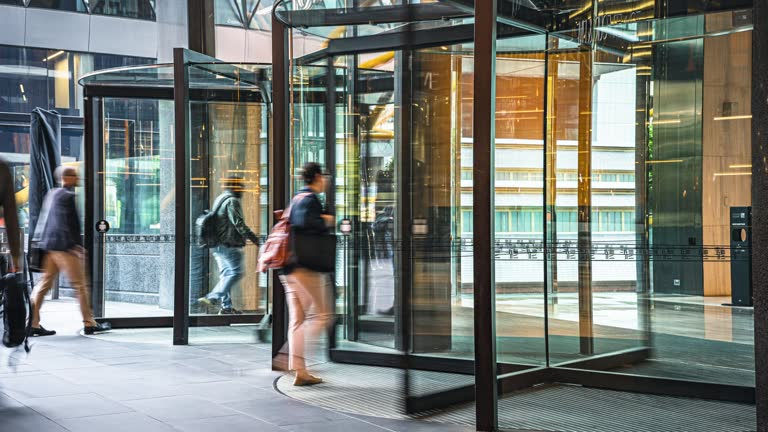
The Revolving Door
The revolving door was invented in the late 19th century by Theophilus Van Kannel, an American engineer who wanted to prevent cold air from flooding into office buildings in the winter. At the time, swinging doors let in drafts and wasted energy. The revolving door was a brilliant solution: continuous flow, energy efficiency, and a sleek, modernist aesthetic.
Buildings that installed them saved on heating and cooling costs, and the revolving door quickly became a symbol of elegance and efficiency. In theory, it allows multiple people to enter and exit simultaneously, and in practice it maintains climate control and even signals a kind of corporate sophistication.
In reality, however, revolving doors are mini urban mazes. Luggage, strollers, and backpacks create jams, humans misjudge timing, collisions happen, and wheelchair users often have to find a side door, defeating the supposed “flow efficiency.” Airports like Amsterdam Schiphol have reported luggage jams that delay travelers, while office towers such as the Chrysler Building in New York maintain historic revolving doors that everyone hates during rush hour. They are elegant in theory, chaotic in practice, and somehow survive because buildings are stubborn about energy and style. Do we still need these? What do you think?
The Collapsible Door
Collapsible metal gates, or folding gates, tell a different story. These gates became popular in India and other parts of Asia in the mid-20th century because they were cheap, easy to install, and perfect for securing small shops, markets, and storage areas. A shopkeeper could fold them up in seconds, secure them at night, and keep them out of the way during the day. They remain popular because they are inexpensive, provide high perceived security, and can adapt to irregularly shaped spaces.
Yet collapsible gates have a dark side. Misaligned panels trap fingers, clothing, or carts, and rust or poor maintenance make them unpredictable. In crowded markets or train stations, impatient crowds can transform a simple gate into a mini-stampede waiting to happen. Chennai markets see gates jammed mid-day, Mumbai train stations have had gates snap under commuter pressure, and small shops regularly turn their entrances into chaotic bottlenecks. Collapsible gates are like cheap DIY Tetris for humans: always slightly dangerous, always slightly chaotic.

Push-Pull Labelled Doors
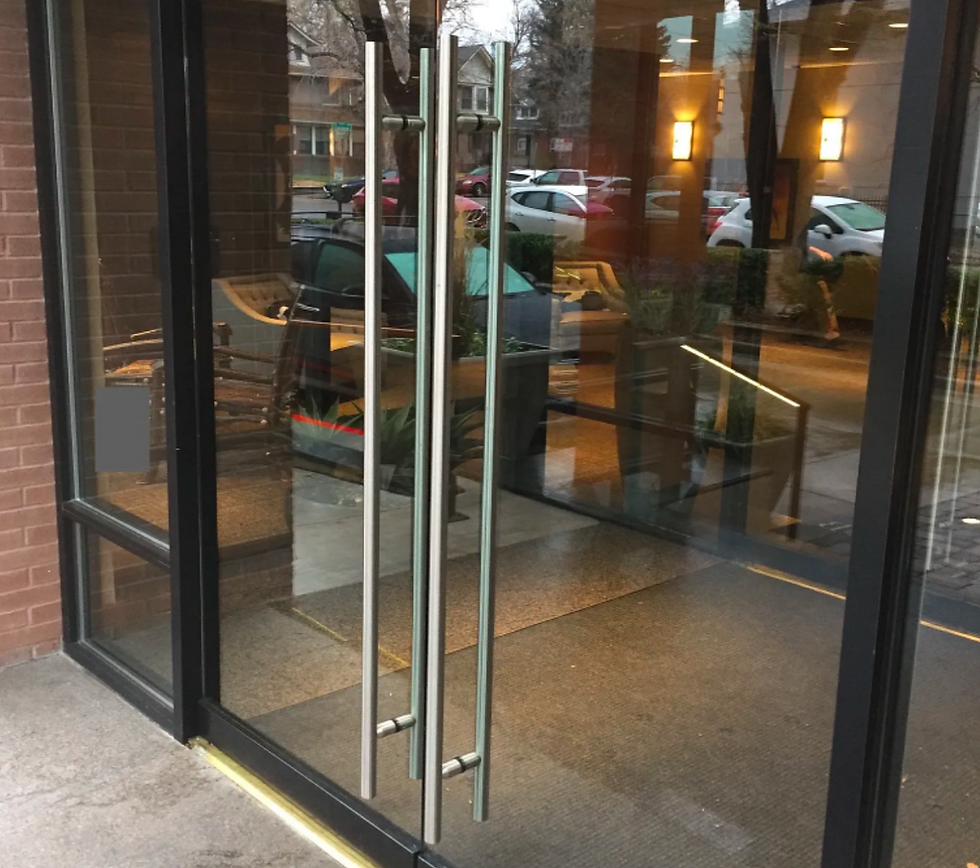
See, this is the very problem. These doors aren't necessarily human centric. The push-pull confusion actually has a psychological response. it derives from two principles of Human Centric Design - Ability and Feedback. Our mind tends to immediately assess the potential action/reaction of these objects before jumping to actual feedback from the assessment. It is after the assessment that we decide if we push or pull. In plain words, we tend to do both, we walk to the door, push AND pull to first test. This is simple human psychology. This assessment causes a moment of stress that we usually brush off. In emergency cases, these cause delay. Which is why you would never see such an instance on a fire exit. It would be a simple instruction - Push. Why is that we cannot apply this always.
A smart workaround that I have observed is the use of the Push Bars as part of the design. These can be pre or post installed giving the design flexibility. Most designers choose not to go for this simply because it looks ugly, but recent times we have some very seamless push bars designs that make movement so flawless.

Revolving doors, collapsible gates, and push-pull doors all share something in common: they were created to solve practical problems, whether energy efficiency, cheap security, or intuitive flow. Yet, daily life turns these solutions into minor urban antagonists. Luggage, impatience, cultural assumptions, and sheer bad luck all collide with the idealized design, creating chaos in lobbies, markets, and public buildings. And still, we keep them. Removing them would cost money, break heritage, or ruin design intentions. In the meantime, humans keep bumping, jamming, and guessing their way through them, reminded every day that urban design is not just about buildings, but about how we enter, exit, and survive the chaos of our own creations. Why put up with poor design?
Do you see any other inconvenient everyday objects?
Check out our recent articles here : https://quirkyaverage.wixsite.com/website/post/leed-ga-towards-a-more-complete-sustainability
Follow us at : https://quirkyaverage.wixsite.com/website
#DoorsThatHateYou #UrbanChaos #DesignFails #EverydayDesign #RevolvingDoors #PushPullProblems #CollapsibleGateAdventures #DesignVsHumans #UrbanDesign #ArchitectureMatters #CityLife #DesignThinking #HumanCenteredDesign #BuiltEnvironment #UrbanPlanning #PublicSpaces
All images used are credited to their original owners; no copyright infringement is intended.


Comments